Dhaka
Monday

Sunny

Max : 26° C
Min : 14° C
Tuesday

Sunny

Max : 26° C
Min : 14° C
 
News


Dhaka - The Capital of Bangladesh
 

Dhaka is the capital of Bangladesh. Located on the banks of the River Buriganga, the city has a population of about 7 million, making it one of the largest cities in the region. It has a colourful history and known as the 'City of Mosques.' Modern Dhaka is the center of political, cultural and economic life in Bangladesh.

The existence of urbanized settlements in the area that is now Dhaka dates from the 7th century. The city area was ruled by the Buddhist kingdom of Kamarupa and the Pala Empire before passing to the control of the Hindu Sena dynasty in the 9th century. After the Sena dynasty, Dhaka was successively ruled by the Turkish and Afghan governors descending from the Delhi Sultanate before the arrival of the Mughals in 1608.

Under Mughal rule in the 17th century, the city was also known as Jahangir Nagar, and was both a provincial capital and a centre of the worldwide muslin trade. The development of modern city was started under British rule in the 19th century, and soon became the second-largest city in Bengal after Calcutta (presently Kolkata). After the partition of India in 1947, Dhaka became the administrative capital of East Pakistan, and later, in 1972, the capital of an independent Bangladesh.

The development of townships and a significant growth in population came as the city was proclaimed the capital of Bengal under Mughal rule in 1608. The main expansion of the city took place under Mughal general Shaista Khan. The city then measured 19 by 13 kilometres (12 by 8 mi), with a population of nearly a million people.  The city passed to the control of the British East India Company in 1765 after the Battle of Plassey.

Civic administration

The Dhaka municipality was founded on August 1, 1864 and upgraded to "corporation" status in 1978. The Dhaka City Corporation is a self-governing corporation which runs the affairs of the city. The mayor of the city is elected by popular vote every five years.

The city has a moderate-sized middle class population, driving the market for modern consumer and luxury goods. The city has historically attracted large number of migrant workers. Hawkers, peddlers, small shops, rickshaws transport, roadside vendors and stalls employ a large segment of the population.

Urban developments have sparked a widespread construction boom, causing new high-rise buildings and skyscrapers to change the city landscape. Growth has been especially strong in the finance, banking, manufacturing, telecommunications and services sectors, while hotels and restaurants continue as important elements of the Dhaka economy.

The population of Dhaka city (areas under the jurisdiction of the Dhaka city corporation) stands at approximately 6.7 million. The city, in combination with localities forming the wider metropolitan area, is home to an estimated 12.3 million as of 2007. The population is growing by an estimated 4.2 per cent per annum, one of the highest rates amongst Asian cities. The continuing growth reflects ongoing migration from rural areas to the Dhaka urban region, which accounted for 60 per cent of the city's growth in the 1960s and 1970s. More recently, the city's population has also grown with the expansion of city boundaries, a process that added more than a million people to the city in the 1980s.

Most residents of Dhaka speak Bengali, the national language. English is also spoken by a large segment of the population, especially for business purposes.

Islam is the predominant religion of Dhaka's people, with a majority belonging to the Sunni sect. Hinduism is the second-largest religion and smaller communities practice Buddhism and Christianity.

Accommodation

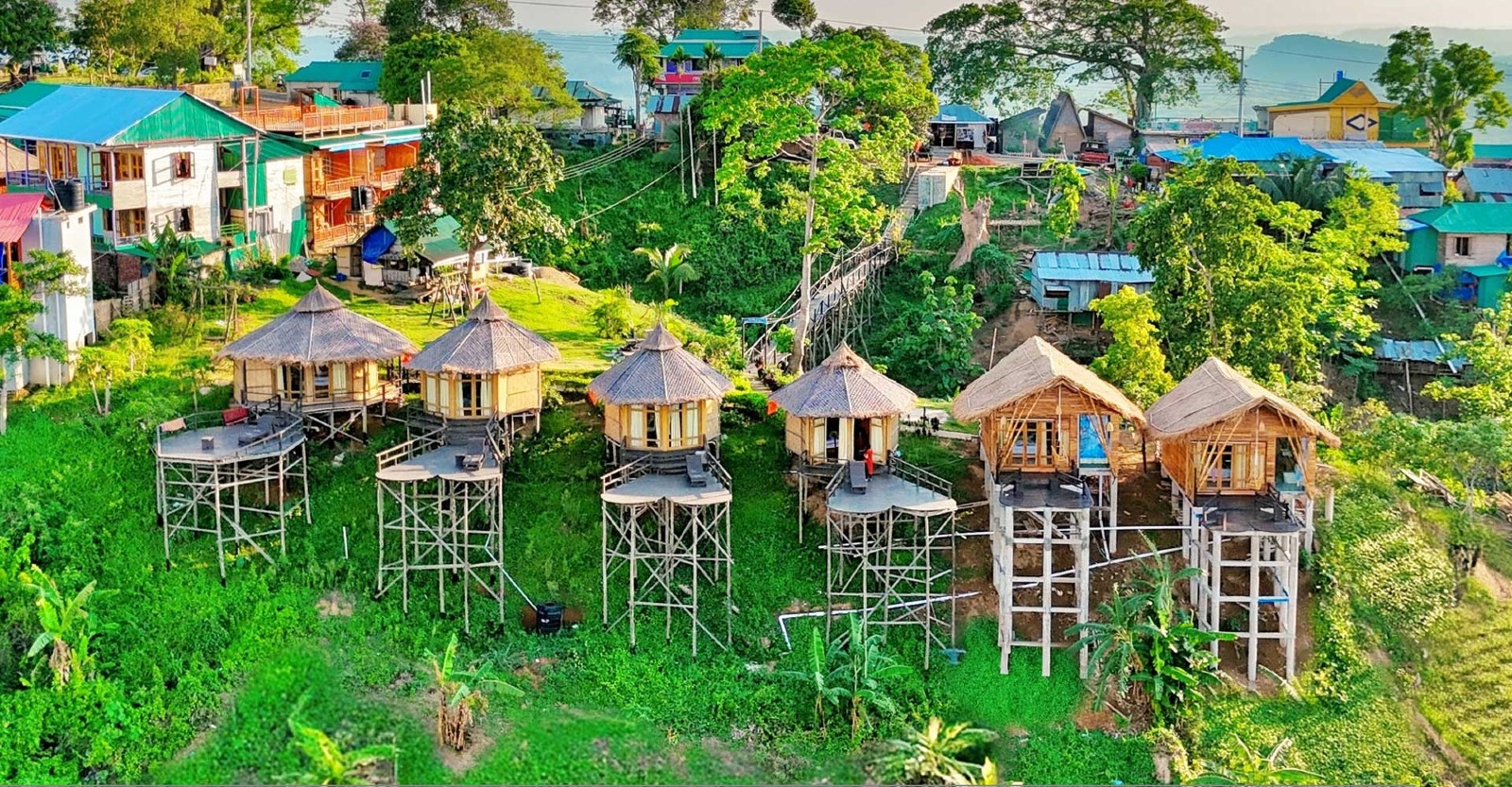
In the past decades Dhaka has made significant improvement in respect of quality hotel and decent tourist type budget accommodation.

In addition to a number of three to five star hotels, Dhaka city has now over 400 air-conditioned rooms in small hotels located at different parts. Most of these are equipped with reasonably good facilities like dining, cable TV, IDD telephone, fax etc.

In addition to these hotels, there are about 60 Guest Houses with average of eight to 10 rooms, are operating mainly from Gulshan, Banani, Baridhara and Dhanmondi. About 10 of these guest houses have restaurant facilities and other provide this services depending on neighbouring restaurants or as ordered by the guests. Guesthouses are also equipped with cable TV, IDD telephone, Fax, e-mail etc.

Eating Out

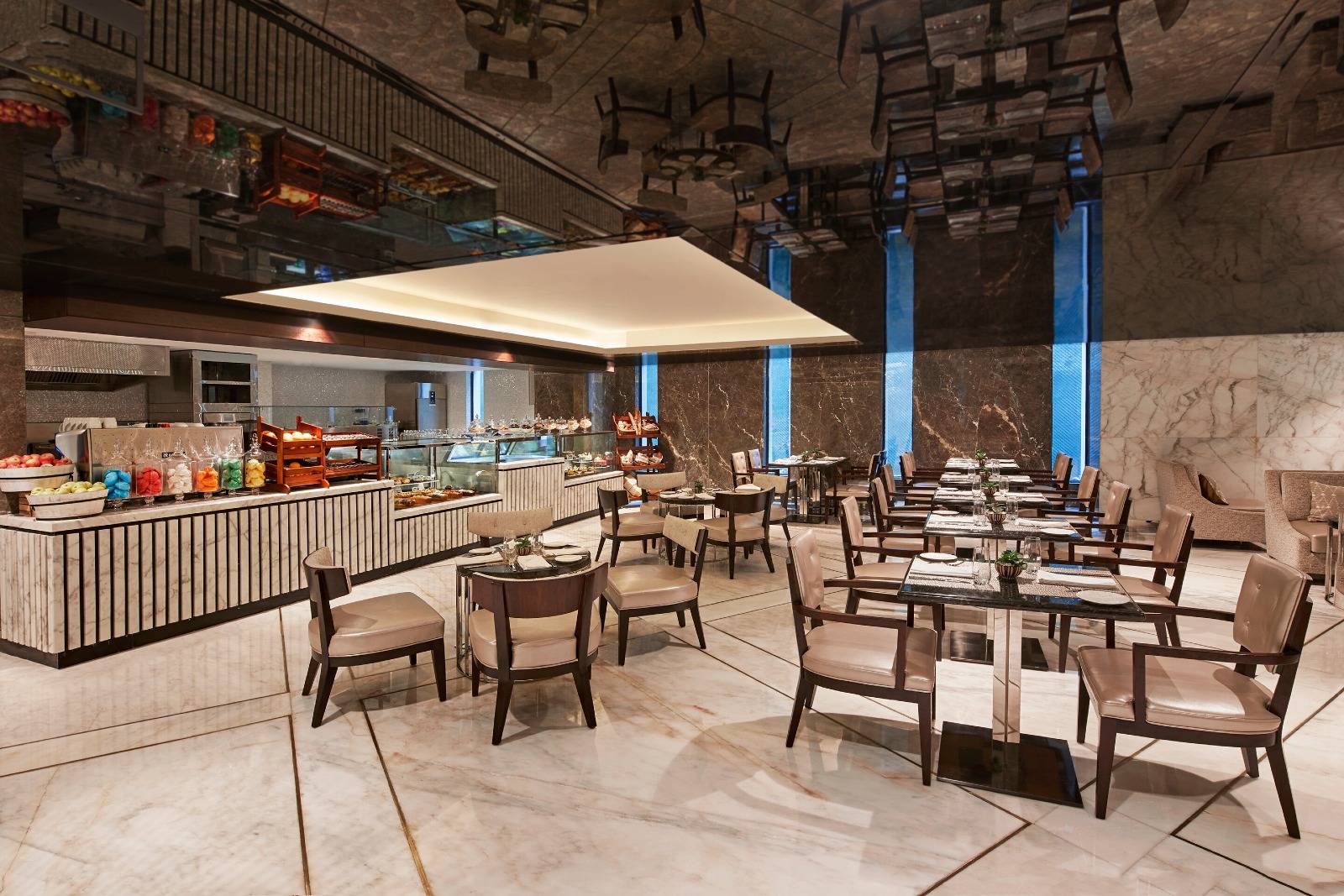
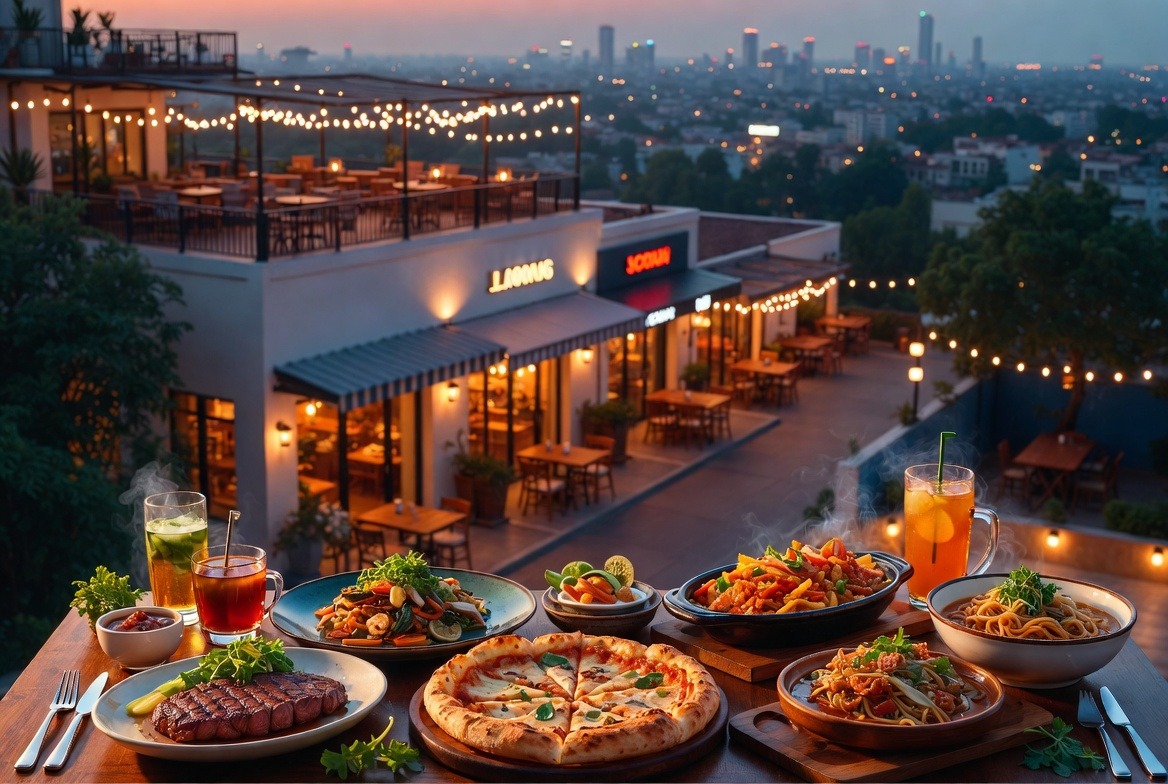
Few years back eating out in Dhaka city meant only going out for a Chinese meal. Now the choice is much more varied with availability of most of the famous global cuisine in quality restaurants..

Along with Chinese, now there are Thai, Korean, Japanese, Vietnamese, Italian, Mexican restaurants scattered all around the city. Last but not the least is the Indian and Bangladeshi restaurants.

Continental cuisine is yet to make a niche for itself .in the local scene. Only the international hotel chains serve authentic Continental and typical American meal - complete with Steaks, Salads, French Fries, Lamb Roast and other minute details.

Transport

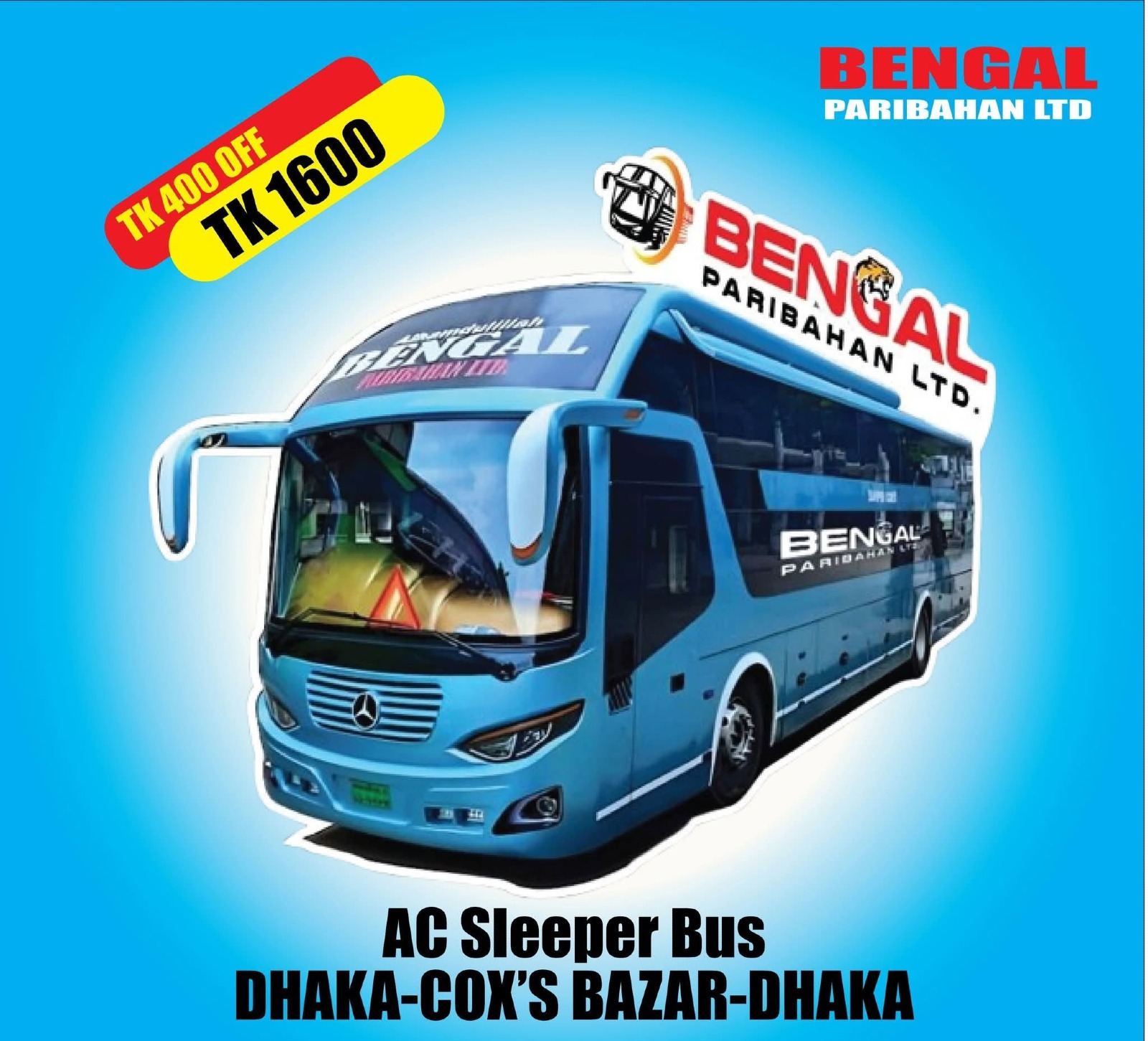
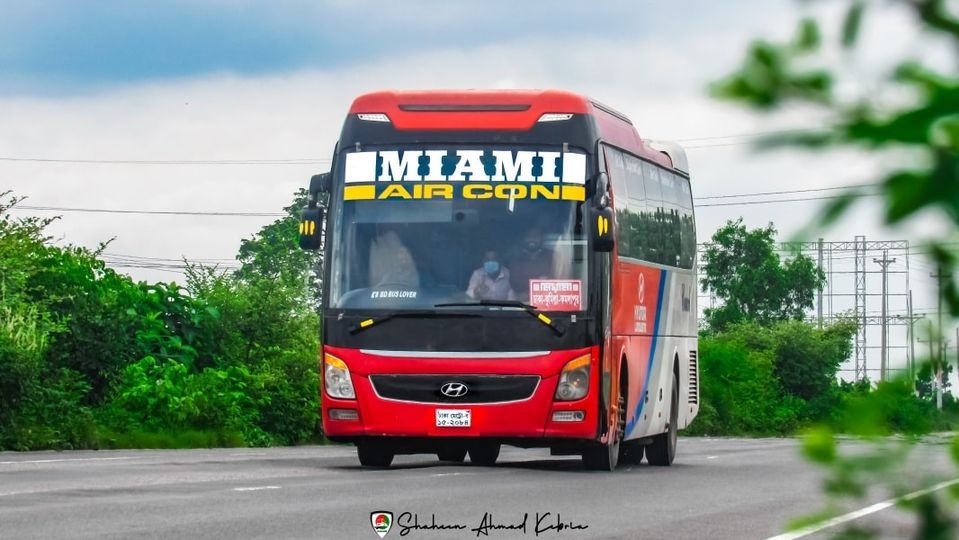
Public buses—both air conditioned and non-air-conditioned-- are operated by the state-run Bangladesh Road Transport Corporation (BRTC) and by private companies and operators. Three-wheel scooters (auto rickshaw), air-conditioned and non-air-conditioned taxis and privately owned automobiles are increasingly becoming popular with the city's growing middle class. The government has overseen the replacement of two-stroke engine taxis with "Green taxis" locally called CNG, which run on compressed natural gas.

However, Dhaka is known as the rickshaw capital of the world. 400,000 cycle rickshaws run each day and cycle rickshaws and auto rickshaws are the main mode of transport for the inhabitants of the city. Relatively low-cost and non-polluting cycle rickshaws nevertheless cause traffic congestion and have been banned to operate on a numver of city streets.

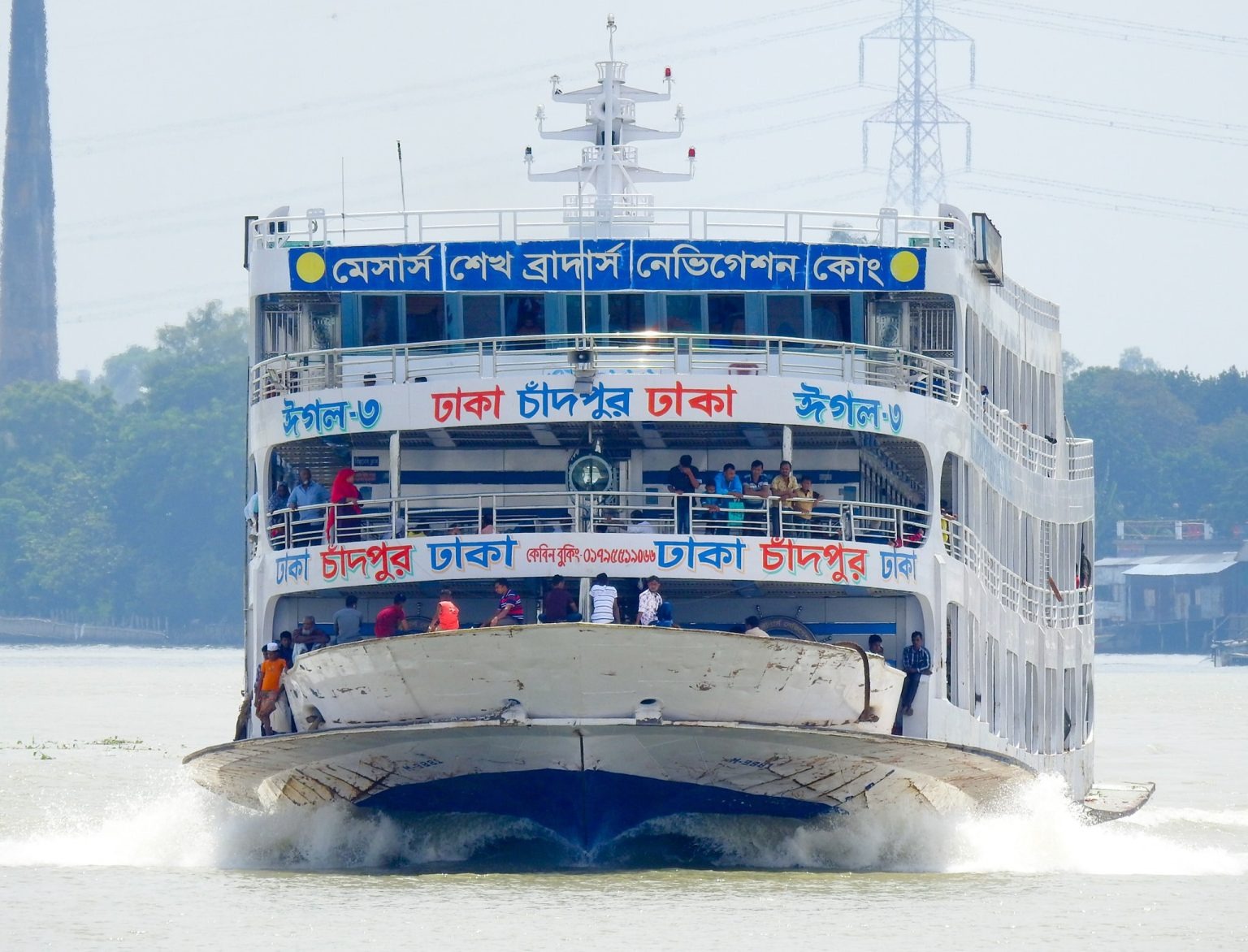
Dhaka is connected by highways and railway links to almost all the cities and towns. Highway links to the Indian cities of Kolkata and Agartala have been established by the BRTC which also runs regular bus services to those cities from Dhaka. The Kamalapur Railway Station is providing train services on suburban and national routes operated by the state-run Bangladesh Railway. The Sadarghat Port on the banks of the Buriganga River serves the transportation of goods and passengers upriver and to other ports in Bangladesh. The Zia International Airport is the main gateway to Bangladesh by air.
.
Cricket and football are the two most popular sports in Dhaka and across the nation.
Dhaka has the distinction of having hosted the first official test cricket match of the Pakistan cricket team in 1954 against India. It is a potential host for the opening ceremony of the 2011 Cricket World Cup as well being host to 6 matches to be played in Bangladesh

Dhaka is located in central Bangladesh at 23°42′0″N 90°22′30″E / 23.7°N 90.375°E / 23.7; 90.375, on the eastern banks of the Buriganga River. The city lies on the lower reaches of the Ganges Delta and covers a total area of 153.84 square kilometres (59.40 sq mi).

Dhaka experiences a hot, wet and humid tropical climate. The city is within the monsoon climate zone, with an annual average temperature of 25 °C (77 °F) and monthly means varying between 18 °C (64 °F) in January and 29 °C (84 °F) in August.[23] Nearly 80% of the annual average rainfall of 1,854 millimetres (73 in) occurs between May and September

Attractions of Dhaka

Mosques; Hindu Temples; Churches; National Memorial; Lalbagh Fort; 1857 Memorial ( Bahadur Shah Park); Mukti Juddha Museum; Ahsan Manzil Museum;  Curzon Hall
Old High Court Building;  Dhaka Zoo;  National Museum;  Botanical Garden;  Central Shahid Minar;  Suhrawardy Uddyan (Garden);  Banga Bhaban;  Baldha Garden;  Ramna Green; Jatiya Sangsad Bhaban (Parliament House).


| | | | | |
@ Copyright 2008-2009 Dhaka City Portal. All Rights Reserved

Free Counters